
7 Offering Memorandum Template Mistakes to Avoid
14 Apr, 2026
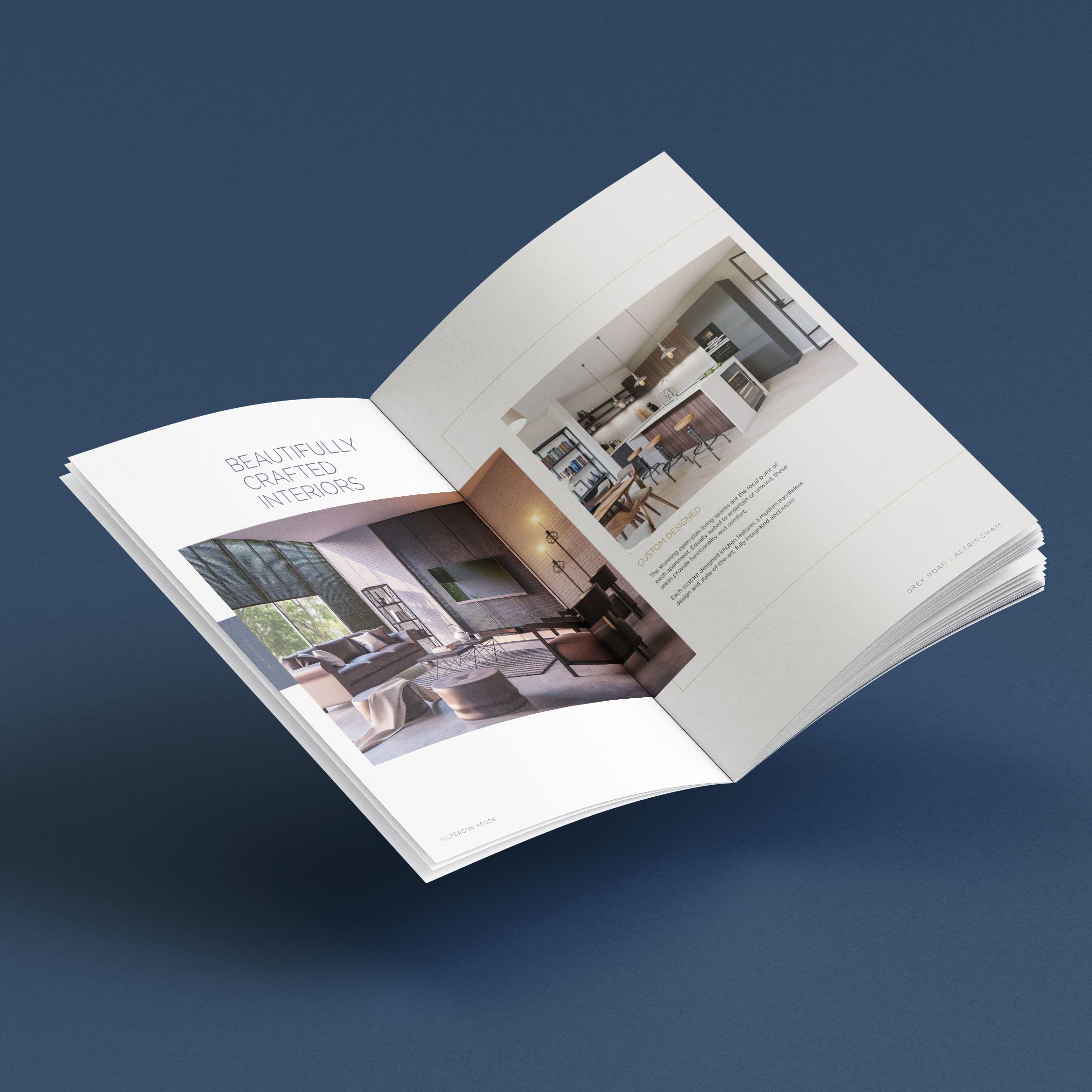
You send your commercial real estate brochure with confidence. The deal looks strong. The numbers make sense. The location checks out.
Then nothing happens. No reply. No urgency. No movement.
Days later, the investor responds with questions you already answered. That’s when it hits you—your brochure didn’t do its job. It didn’t guide. It didn’t convince. It didn’t close the gap between interest and action.
That’s how deals die. Quietly, without warning.
A commercial real estate brochure is a focused document used to present a property to potential investors or buyers. It is a core piece of any marketing brochure for commercial real estate, designed to communicate value, reduce confusion, and drive action.
It is not just a summary. It is not just design.
It is a decision-making tool.
When done right, it answers questions before they’re asked. When done wrong, it creates friction at every step.
Investors don’t read everything. They scan, judge, and decide fast.
According to usability research by Jakob Nielsen, users read in patterns, not line-by-line. If your brochure doesn’t guide their eyes, they miss what matters.
Real estate expert Tom Ferry has said:
“Clarity wins deals. Confusion kills them.”
Your brochure is often your first impression. If it feels messy, unclear, or generic, your deal feels the same.
A brochure without a clear story is just noise.
Many CRE marketing materials throw in facts without direction. The investor is left wondering: What’s the real opportunity here?
A strong brochure answers three things instantly:
If your message is scattered, attention drops. And once attention drops, recovery is almost impossible.
More information doesn’t mean more clarity. It often means the opposite.
When a brochure feels dense, investors don’t slow down—they check out. Large blocks of text, tight spacing, and cluttered visuals create resistance.
As usability expert Steve Krug puts it:
“Don’t make me think.”
Your brochure should feel effortless to scan. If it feels like work, it gets ignored.
Numbers aren’t optional. They’re the backbone of the deal.
Yet many brochures present financials poorly or bury them under design elements. Missing or unclear metrics like net operating income (NOI), cap rate, or projections create doubt.
Investors are not just looking at returns. They are looking for confidence in how those numbers are presented.
Clear, structured financials signal professionalism. Confusing ones signal risk.
Templates are easy. That’s why everyone uses them.
But when your brochure looks like every other commercial property brochure, it loses impact. It feels replaceable.
A generic layout sends a subtle message: this deal is ordinary.
Design is not about decoration. It is about positioning. Your brochure should reflect the uniqueness of the asset, not blend into a sea of sameness.
Visual hierarchy controls attention. Without it, everything competes for focus.
If headlines, data points, and visuals all carry the same weight, the investor doesn’t know where to look first. Important details get lost.
Eye-tracking studies consistently show that people follow structured visual paths. Your brochure should guide that path clearly—from headline to highlights to financials.
When everything is important, nothing is.
A brochure should remove questions, not create them.
Yet many leave out critical details like:
These aren’t “extra” details. They’re decision drivers.
When key insights are missing, investors hesitate. And hesitation slows deals down.
The biggest mistake is often the simplest: no direction.
After reading your brochure, what should the investor do next?
If the answer is unclear, action stalls. Momentum dies.
A strong brochure guides the next step clearly. Whether it’s scheduling a call, requesting more details, or reviewing the full offering memorandum, the path should be obvious.
Clarity drives action. Ambiguity delays it.
Many confuse these two, but they serve different roles.
A commercial real estate brochure is designed to attract and engage. It simplifies the deal and highlights key points quickly.
An offering memorandum (OM) goes deeper. It provides detailed financials, legal information, and full analysis.
Think of it this way:
The brochure opens the door. The OM closes the deal.
If your brochure fails, the OM never gets seen. That’s exactly what we fix at FocusedCRE.
FocusedCRE’s high-performing brochures follow a clear structure. It’s not random. It’s strategic.
We start with a strong headline that communicates the opportunity. Follow with a concise investment summary that answers the “why.” Present property highlights in a clean, scannable way.
Then move into financials—clearly structured, easy to understand, and impossible to misread. Support it with location insights and visuals that add meaning, not clutter.
End with a clear call-to-action that removes hesitation.
We’re answering, “is this making the decision easier or harder?” at every step.
If it makes it harder, we remove or fix it.
It should include an investment summary, property highlights, financial data like NOI and cap rate, location insights, and a clear next step.
It depends on complexity, but it should be long enough to inform and short enough to maintain attention. Clarity matters more than length.
A brochure is a high-level marketing tool. An OM is a detailed document used for deeper evaluation.
They ignore brochures that are confusing, cluttered, or lack clear value. If it feels hard to understand, it gets skipped.
Focus on clarity, structure, and investor needs. Remove friction, highlight key data, and guide the reader step-by-step.
A commercial real estate brochure is not just a document. It is a silent salesperson.
It speaks when you’re not in the room. It shapes first impressions. It influences decisions before conversations even begin.
When it fails, deals slow down or disappear. When it works, everything moves faster.
If your current brochures feel “fine” but deals aren’t moving, the problem is not the market. It’s the message.
Fix the structure. Fix the clarity. Fix the story.
And watch how differently your next deal unfolds.